

In the absence of birds
notes from an American west

Dear Reader,
The first week of October has been cool and dark. Occasionally, light breaks through the gray, falling in shafts from my window onto a solitary chair beside the bookcase, giving it a fantastical existence.
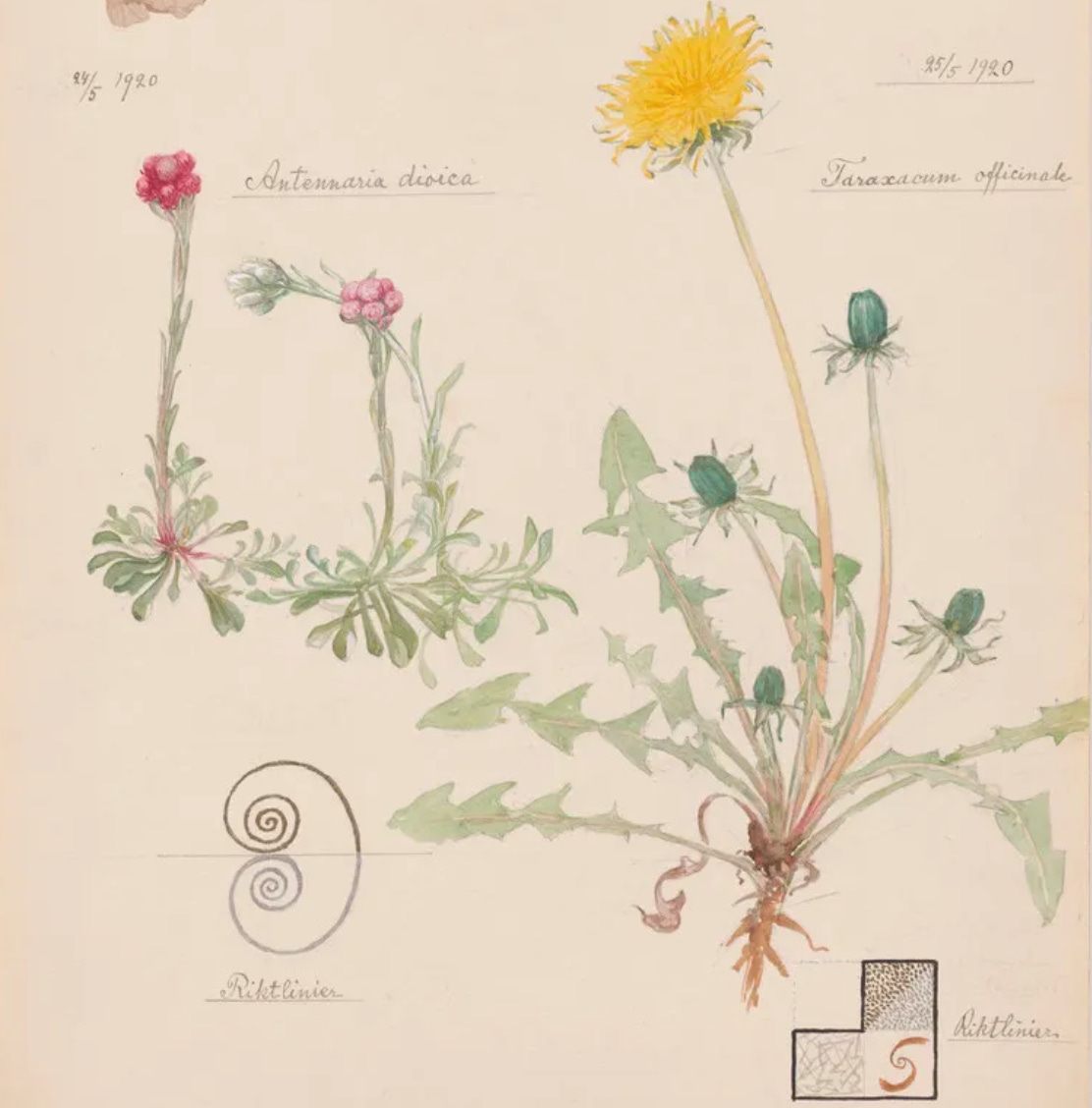
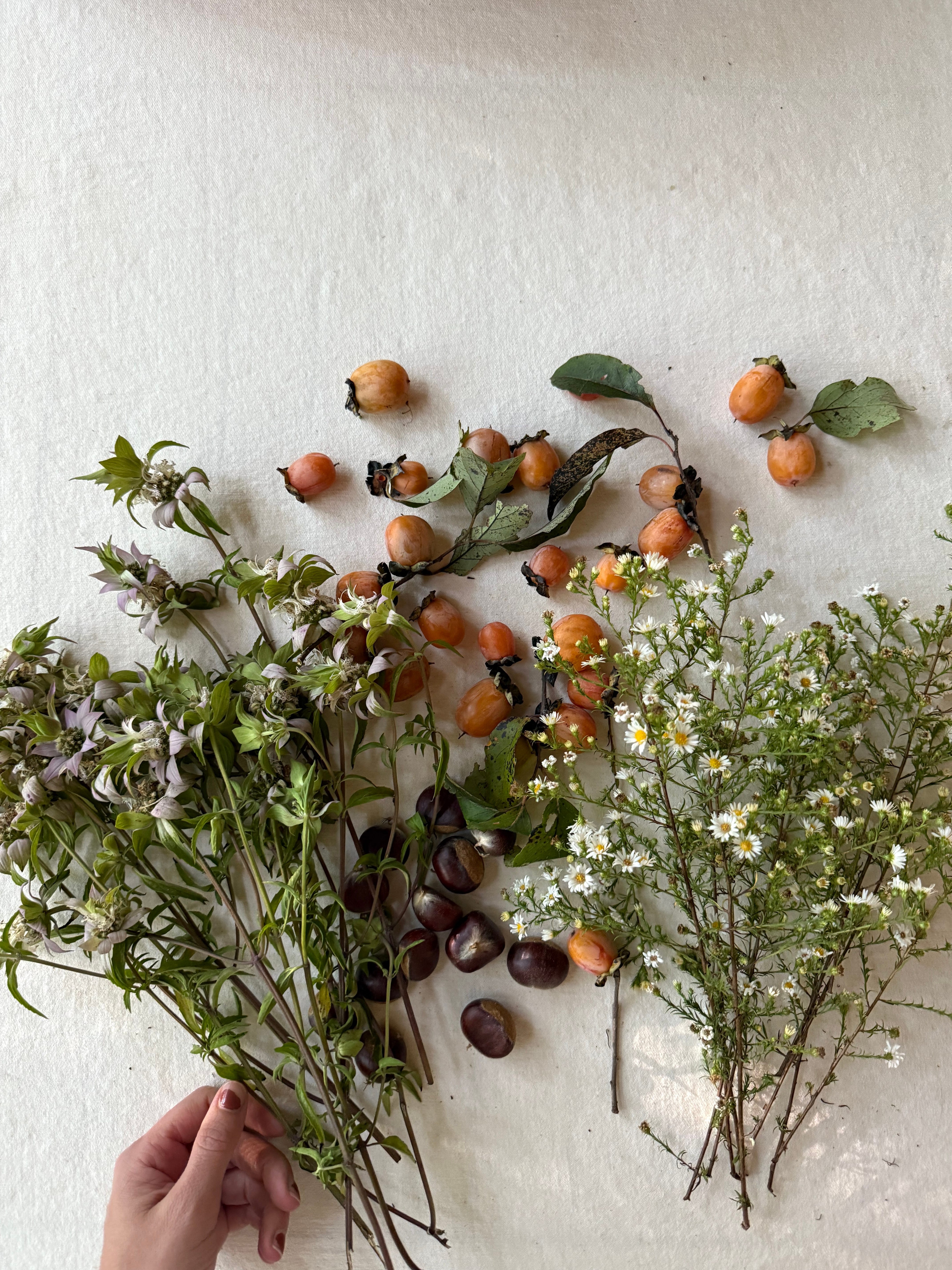
Across the room, I sit at my writing desk after having just picked some of the last wildflowers from the lower elevations of the Appalachians. Among them is goldenrod, lightly scenting the room with a honeyed, sun-warmed fragrance, like dandelions in early spring. I recently learned they’re distant relatives, both belonging to the Asteraceae family. One marking the beginning of green, the other the end.
The jars and bottles around me are filled with dead flowers. While I was away, black seeds had dropped from their curled husks. Pollen had stained the canvas below them. I replace each of the bottles with the new ones, carefully gathering the seeds from the canvas into rice paper envelopes.
Days ago, I’d been in Las Vegas on a work trip for my corporate job, feeling oddly suspended in time: laughter and drinks with garnishes, palm trees, a maze of slot machines. The Spring Mountains in the distance wobbled in the heat like a mirage. All I wanted was to walk to the surrounding mountains, but I was stuck in conference rooms discussing how to leverage artificial intelligence. If God is nature, then God felt far away from here. I had not heard a birdsong in three days.
On the way back, the American West was framed circular from a plane window. Clay red and mottled brown, speckled with the black of desert brush. The ridges rising like rumpled burlap. Signs of water were sparse, only the occasional muddy turquoise pool. The pale traces of bone-dry riverbeds stretched below. The sun seemed closer to the earth. A few bone-white clouds cast high contrast shadows across the desert floor, where canyons cut through the flatland, their paths snaking like bark beetle trails. Somewhere over Oklahoma, the earth below was cut into patchwork pale squares, a Picasso landscape.
When I finally returned, it was dark. I fell asleep quickly and woke the next morning to the rustling sound outside my kitchen window. A doe and her two fawns were foraging among the grove. I slowly cracked open the window, the cool air rushed in, all rainwater and woodsmoke-edged. The doe turned its head. The song sparrow sang.
Love,
Rowen

P.S. I’ll be writing about beginning a field journal for fall this week, sharing some prompts for fall. Next week, I’ll share about the Garden in A Gardening Year, with seasonal reflections, what’s blooming, and notes from the farm, including fall planting. These letters tend to meander when I feel called to it, much like this one.
Thanks for reading, and if you enjoyed this little vignette, tap the heart below. If you haven’t voted yet, I’d love to know what you’d like to see more of in this little corner of the internet.

A book: Currently reading The Wind in the Willows by Kenneth Grahame for a cozy October read, Folio Society’s edition is on my wishlist
A film: The Gleaners and I, Agnes Varda
A poem:The Wild Iris by Louise Gluck
A practice: Notice what’s still blooming
Thank you for your post. I enjoyed your description of the dead flowers around your writing desk.
If someone loves The Wind in the Willows, it never gets old. The phrase The Piper at the Gates of Dawn still gives me chills. Now I discover it’s also the title of a Pink Floyd album ! I’m looking forward to your insights this fall. Now is the time to plan for next year. We can see the gaps, the successes and the well, THAT certainly didn’t go so great, did it.